
Victoria Day Long Weekend in Langley: Celebrate with a Punjabi Feast
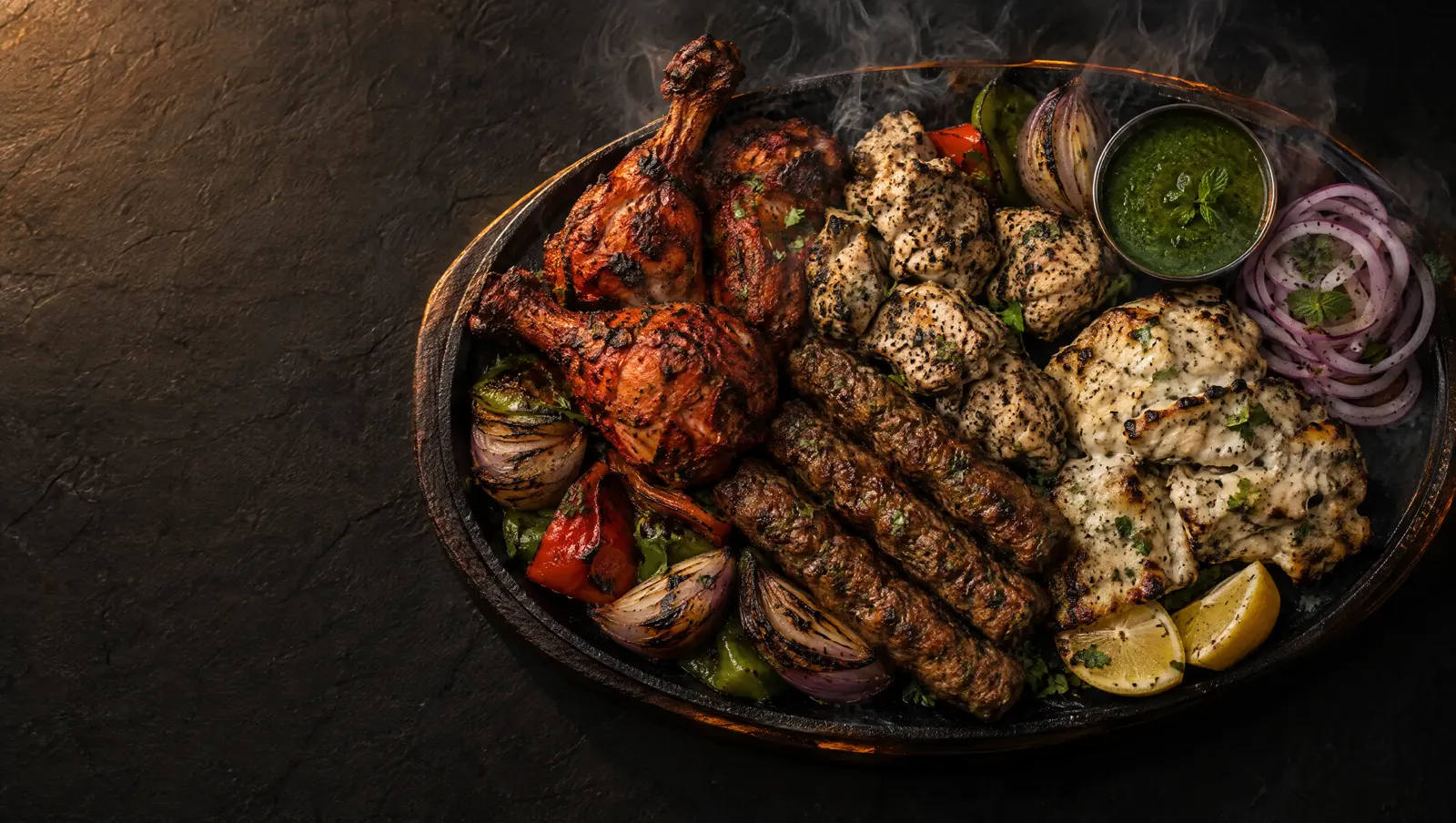
Header photo is a styled render of dishes on our menu, not a plated order.
The May long weekend is the first real signal that summer is arriving in the Fraser Valley. The days are longer, the patios are opening, and after months of rain, Langley finally smells like spring. That kind of moment deserves a proper table. Not fast food, not leftovers — a feast.
Why a Long Weekend Calls for Indian Food
There is something about the structure of North Indian cuisine that fits a long weekend perfectly. It is not rushed food. Dishes like dal makhani simmer for hours. The tandoor takes time to reach temperature. A Punjabi meal expects you to sit down, order more than you think you need, and take your time getting through it.
A long weekend is the built-in permission to eat like you have nowhere to be. Use it.
The Long Weekend Spread: What to Order
Whether you're coming in with family, a group of friends, or making it a date, here is the move:
Start
Samosa Chaat
Crispy samosas crushed and layered with tangy chutneys, spiced chickpeas, onion, tomato and yogurt, finished with chaat masala. The plate every table orders first and everyone fights over last.
The Showpiece
Non Veg Platter
Kali mirch chicken tikka, goat seekh kabab or chilli chicken, Afghani fish tikka and tandoori chicken, charred in the tandoor. The dish that lands on your table and makes the next table ask what you ordered.
The Anchor
Butter Chicken + Dal Makhani
The combination that has converted more non-Indian food eaters than anything else. Rich, slow-cooked, deeply savoury. One meat, one vegetarian — every palate covered.
The Bar
Mango Lassi + the Bar
Mango lassi for the non-drinkers and kids — thick, sweet, cold. The bar for everyone else. A long weekend isn't a long weekend without a proper drink alongside a proper meal.
The Spice Science: Why You Feel Good After Indian Food
It isn't just comfort. The spice palette in Punjabi cooking has measurable physiological effects. Turmeric is one example: in a 2014 randomised, placebo-controlled trial, curcumin (its active compound) improved mood symptoms in people with major depression, at supplement doses far above anything in a curry.1
Ginger and fenugreek go into many of our gravies for flavour first; Punjabi home cooks have reached for both after a big meal for generations. You feel good after a proper Indian meal, and not just because you're full.
Long Weekends, Short Memories — Make It Count
Long weekends are made for trying something new together: order one dish nobody at the table has had before.
Victoria Day weekend is three days. One of those evenings should be something worth remembering. We're at 20567 Fraser Hwy, Langley. Open Fri–Sun from noon, Mon, Wed and Thu from 5pm (closed Tuesdays). The May long weekend runs Friday to Monday — we're open all of it.
Book Your Long Weekend Table
Long weekends fill up. Call us at 604-840-5000 to lock in your table. Groups of 6+ especially — call ahead and we'll have the right setup ready.
Frequently asked questions
Is Baba's open on Victoria Day?
Victoria Day falls on a Monday, and our regular Monday hours are 5pm to 11pm (Friday to Sunday we open at 12pm, and we're closed Tuesdays). Holiday hours can change, so call 604-840-5000 before you head over.
How far in advance should I book for a long weekend?
A few days ahead at minimum. Call 604-840-5000 — we'll sort it out. Groups of 6+ should call at least a week out.
Is Indian food good for kids?
Absolutely. Butter chicken and garlic naan are universally loved by kids. Dal makhani is mild and filling. We can adjust spice levels on request — just let your server know.
Do you have vegetarian options?
Yes — dal makhani, malai kofta, peanut chana masala, samosa chaat, the Veg Platter and more. Indian cuisine has one of the deepest vegetarian traditions of any culinary culture.
References
- 1. Lopresti, A.L., Hood, S.D., Drummond, P.D. (2014). Curcumin for the treatment of major depression: a randomised, double-blind, placebo controlled study. Journal of Affective Disorders, 167, 368–375. doi:10.1016/j.jad.2014.06.001